▼ TL;DR: How AI is Redefining Technical SEO (Click to expand)
In the age of AI Overviews and Copilot, search engines no longer just rank links—they synthesize answers. This shift demands a new level of technical clarity:
- From Keywords to Clarity: AI rewards structured, parseable data over keyword density.
- W3C Compliance as Strategy: Clean code is now a visibility strategy, not just a developer's checklist.
- The Competitive Edge: Website structure is the primary bridge between your content and AI-driven synthesis.
In this new environment, W3C compliance is no longer a developer checkbox. It is an AI visibility strategy.
Let’s unpack why.
From Crawling Pages to Generating Answers
Traditional search engines crawled, indexed, and ranked documents. AI systems now:
- Parse content structure
- Extract entities and relationships
- Chunk content semantically
- Generate synthesized answers
- Attribute sources (selectively)
This shift changes what “optimization” means.
When AI systems interpret your content, they rely heavily on structural cues. If your HTML is messy, semantically weak, or structurally ambiguous, you’re forcing the system to guess.
AI does not reward guesswork.
That’s where the standards defined by the World Wide Web Consortium (W3C) come in.
What W3C Alignment Really Means
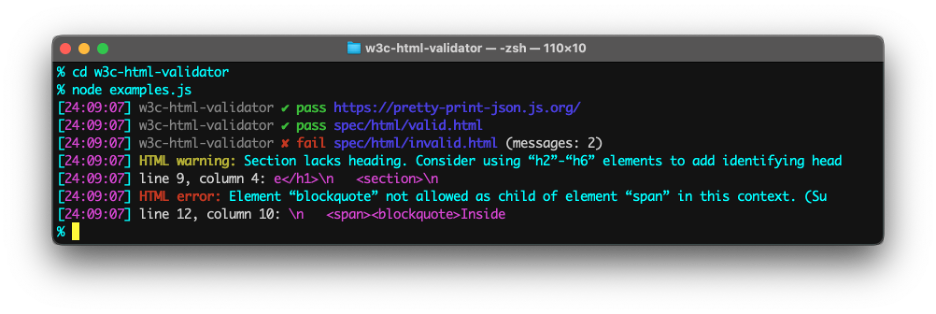
W3C standards govern how web technologies are structured, interpreted, and rendered. Alignment typically includes:
- Valid HTML
- Semantic markup
- Logical heading hierarchy
- Accessibility compliance (WCAG)
- Proper use of ARIA attributes
- Structured data integration
While browsers tolerate imperfect code, AI extraction systems are less forgiving.
The cleaner the structure, the lower the ambiguity.
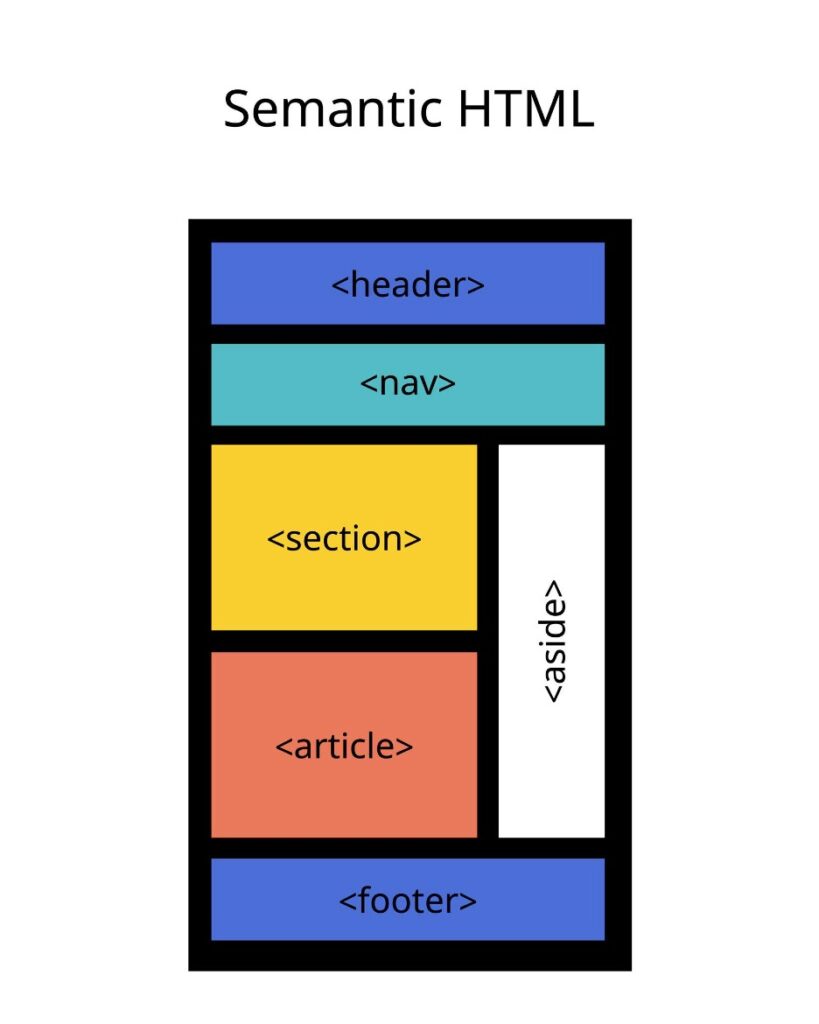
- Semantic HTML: Teaching AI What Matters
AI systems prioritize structure before text.
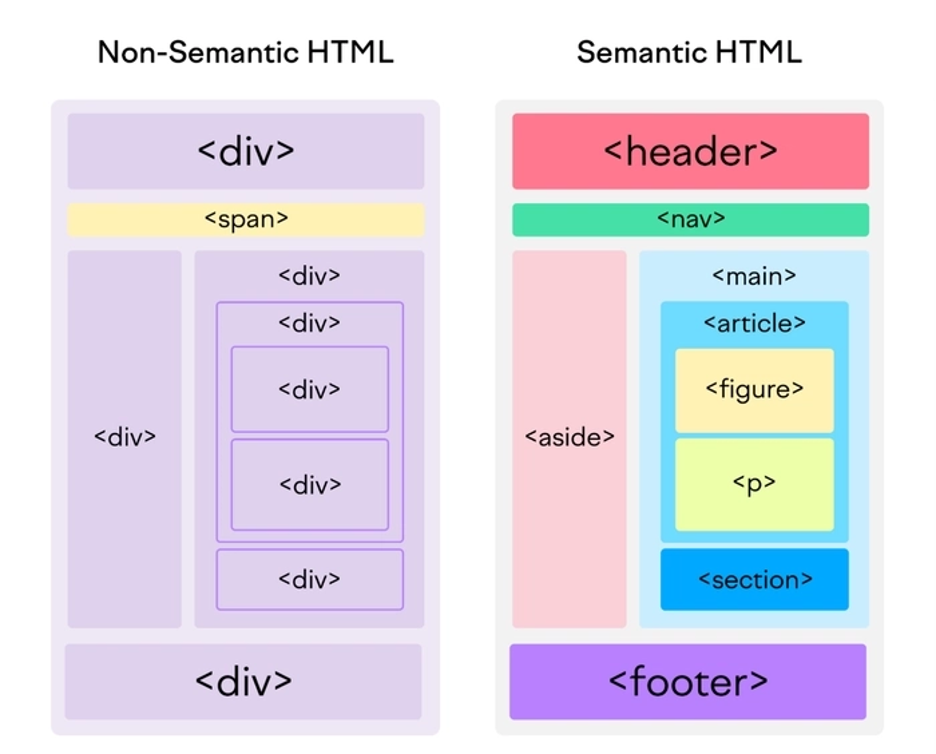
Using semantic elements such as:
- <header>
- <nav>
- <main>
- <article>
- <section>
- <aside>
- <footer>
helps machines differentiate core content from navigation, boilerplate, and promotional material.
A page built entirely with nested <div> elements forces AI to infer meaning based on heuristics. A semantically structured page explicitly signals:
- This is the primary topic.
- This is supporting context.
- This is navigational.
- This is supplementary.
For AI systems building embeddings and chunking documents for retrieval-augmented generation (RAG), clean segmentation improves contextual accuracy.
In short: semantic HTML reduces hallucination risk.
- Structured Data: Reducing Inference, Increasing Certainty
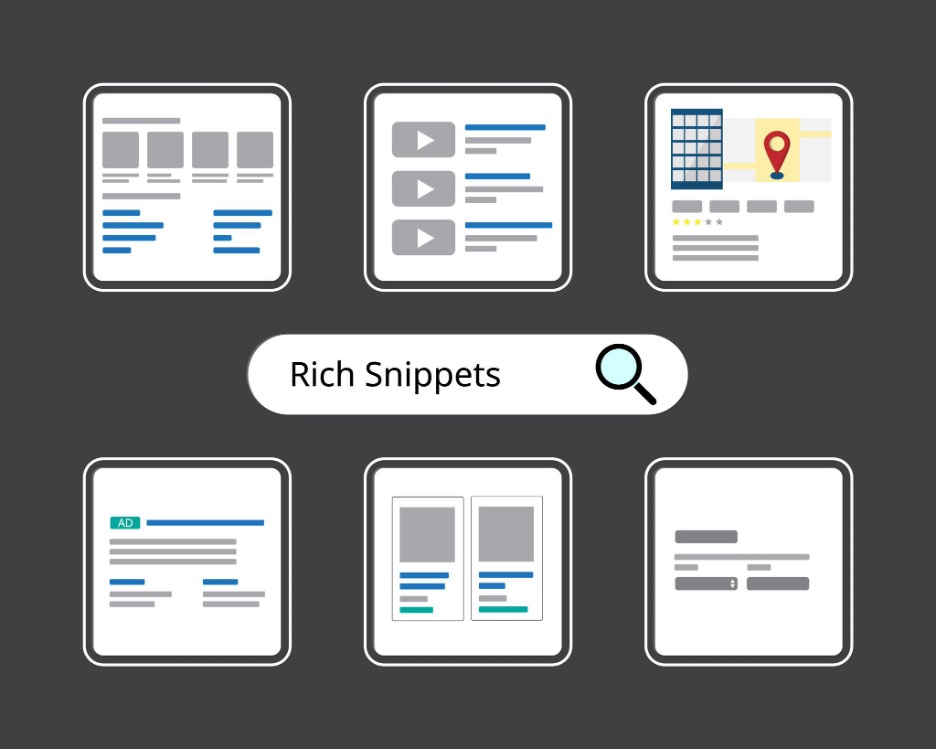
While structured data is not technically a W3C standard, it operates within W3C-compliant frameworks and dramatically enhances machine readability.
When you implement Schema.org via JSON-LD, you explicitly define:
- Organization
- Author
- Article
- Product
- FAQ
- Review
- Event
Instead of AI inferring authorship, it receives a machine-readable declaration.
Instead of guessing whether a page is a product or editorial content, it knows.
For AI systems synthesizing responses, structured data:
- Improves entity disambiguation
- Enhances knowledge graph connections
- Strengthens attribution probability
- Reduces factual distortion
In the AI era, structured data is not just about rich results. It is about semantic certainty.
- Accessibility Standards Mirror AI Parsing Logic
W3C’s Web Content Accessibility Guidelines (WCAG) were designed for assistive technologies. Interestingly, AI systems often parse content similarly to screen readers.
When you implement:
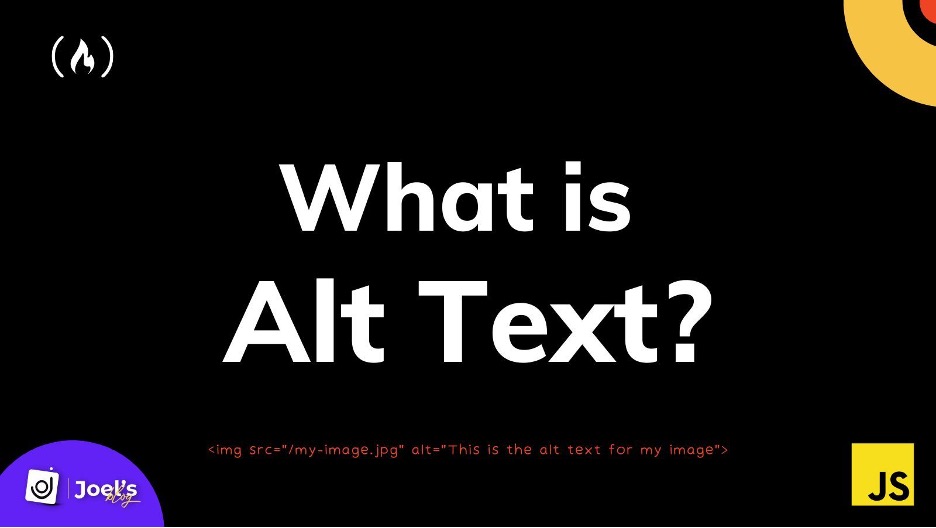
- Descriptive alt text
- Proper ARIA roles
- Logical heading hierarchies
- Clear anchor text
- Form labeling
you create a structure optimized for machine interpretation.
Accessible content:
- Avoids hidden or misleading elements
- Preserves logical reading order
- Enhances clarity in content segmentation
- Reduces extraction noise
Accessibility compliance indirectly improves AI readability.
In many ways, accessibility and AI optimization are converging disciplines.

- Validation Improves Extraction Efficiency
Invalid HTML can cause:
- Broken DOM trees
- Misplaced headings
- Truncated content blocks
- Duplicate parsing of elements
While browsers repair errors visually, AI extraction systems often work directly with the DOM structure.
W3C validation ensures:
- Proper nesting
- Closed tags
- Valid attributes
- Clean markup hierarchy
At scale, AI systems prioritize efficiency. Pages that are easier to parse reduce processing friction.
Cleaner structure increases your likelihood of accurate representation in AI-generated answers.
- Clear Hierarchy Enables Better Content Chunking
AI systems do not “read” pages the way humans do. They:
- Break content into chunks
- Embed those chunks into vector space
- Retrieve relevant sections for generation
A clear heading hierarchy (<h1> to <h6>) helps define chunk boundaries.
For example:
- <h1> defines the core topic
- <h2> defines subtopics
- <h3> defines supporting arguments
When headings are misused or purely stylistic, chunk boundaries become ambiguous.
Proper hierarchy improves:
- Contextual retrieval
- Topical clustering
- Subtopic authority
- Answer accuracy
For AI retrieval, structure is relevance.
- Entity Clarity and Knowledge Graph Integration
AI search increasingly operates at the entity level rather than the keyword level.
W3C-aligned markup supports:
- Clear entity references
- Proper canonical signals
- Consistent naming
- Structured organization details
When your brand, author, and organizational details are consistently marked up, you strengthen knowledge graph association.
This increases the probability of:
- Citation in AI summaries
- Inclusion in AI answer panels
- Recognition as a trusted source
Ambiguous entities rarely get cited.
- Reduced Hallucination Risk
One emerging challenge in AI search is hallucination — when models fabricate or distort information.
While hallucinations are model-level phenomena, ambiguous web content contributes to them.
Poor structure leads to:
- Misattributed quotes
- Context leakage
- Topic blending
- Incorrect summarization
W3C-aligned websites provide clearer boundaries between:
- Opinion and fact
- Navigation and content
- Primary and supplementary material
Clarity reduces distortion.
- Preparing for AI-First Indexing
AI systems are evolving beyond traditional indexing. We’re seeing movement toward:
- Conversational retrieval
- Contextual summarization
- Real-time synthesis
- Multi-source blending
In such systems, documents compete not just for rankings, but for inclusion within generated responses.
To qualify, content must be:
- Machine-readable
- Structurally sound
- Entity-defined
- Contextually clear
W3C alignment is foundational to all four.
The Strategic Implication for SEO Leaders
For SEO professionals, especially those navigating AI search transformation, this is a mindset shift.
Technical SEO is no longer about crawl budget and canonical tags alone.
It now includes:
- Semantic HTML enforcement
- Structured data precision
- Accessibility alignment
- Validation discipline
- Clear information architecture
These are not compliance tasks. They are AI visibility multipliers.
If content is king, structure is its translator.
Practical Checklist for AI-Friendly W3C Alignment
Here’s a practical implementation roadmap:
Step 1: Validate HTML
Run pages through W3C validation tools. Fix structural errors systematically.
Step 2: Audit Heading Hierarchy
Ensure one <h1> per page. Maintain logical order.
Step 3: Replace Div-Based Layouts
Refactor major sections using semantic HTML5 elements.
Step 4: Implement Structured Data
Use JSON-LD to define organization, authors, and content types clearly.
Step 5: Review Accessibility
Audit for WCAG compliance — alt text, ARIA roles, keyboard navigation.
Step 6: Strengthen Entity Signals
Standardize author bios, company descriptions, and canonical naming.
The Bigger Picture: Structure as Trust Signal
AI systems operate probabilistically. They assign confidence scores to retrieved content.
When your website:
- Is valid
- Is structured
- Is accessible
- Is semantically rich
you reduce uncertainty.
Reduced uncertainty increases the probability of selection.
In AI search, probability is visibility.
Point To Ponder On...
The W3C was created to ensure that the web functions consistently across browsers.
In 2026, its standards serve another purpose:
They make your website interpretable by systems that generate answers instead of ranking pages.
As AI search matures, websites that are structurally clear will outperform those that are merely content-rich.
Because in the age of AI, clarity is competitive advantage.
Some previous related posts :-
- Google Also Needs SEO Because It Is The World Wide Web Consortium Which Is A Standard
- How Good SEO Contributes To The Larger Objectives Of The Web Eco System