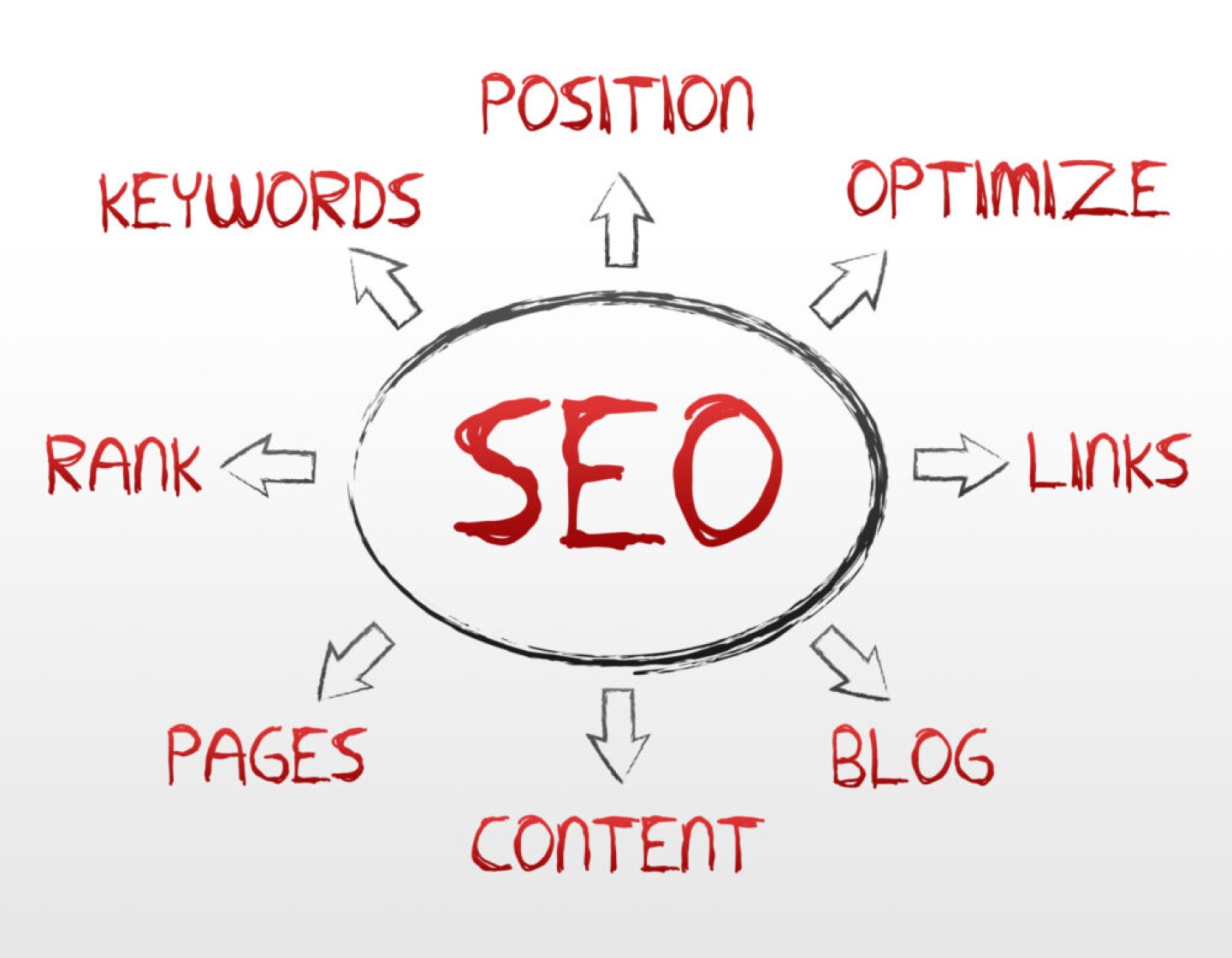
What Influences The Trust Factor Online ?

Trust is the topmost layer of the semantic web. It is like the cherry on the top of the cake which makes the cake look appealing. People do business with those that they like, know, and trust. If a consumer believes that a specific brand produces quality products or services then such a customer is most likey to become an online brand ambassador.

Semantic Web and The Trust Factor Online

Trust is the end result of many factors in action. Trust is the emotional and logical aspect of the users decision to refer and recommend the site and content if he has been getting valuable information from the site.Trust cannot be purchased, it has to be earned over a period of time via continuous and consistent efforts and reliable actions.

The Trust Factor Online

Potential online customers critically evaluate a site before finalizing the call to action on the web page.Some of the factors the online customer may scrutinize and critically evaluate are:

  • A good updated and a functional website: A website which is regularly updated with the latest stock and offers is more trusted than the rest. A consistent logo displayed on an overall web presence on across all platforms builds brand value and also helps customers have a better recall value. Being genuine and avoiding any over the top announcements and claims also adds to the trust factor.
  • A blog that is regularly updated: A blog is a platform where you can share any news about the industry or about your company. Please do not make your blog a sales platform and avoid spreading sales messages. A blog is a place where you can establish the foundation for your online ‘Thought Leadership’. By offering information and by sharing your knowledge you show that you care and are willing to help your readers / customers / visitors. A person landing on any page of your blog via search engines or social media or via any media should get information about what he was searching for. This encourages repeat visits which lead to recommendations to others. A blog can also become a communication platform via comments.
  • Social media activity: Social media is the best platform where your satisfied readers and customers are going to share their experiences. This same platform offers you also the option for sharing the content of your website and blog. Social media is not about likes, followers and the no. of people in your circle but about what people are writing about your business/ blog or products and how it is being further shared. Social Media signals in the long run are the main source which help establish the online reputation of a business.
  • Reviews And Ratings: Reviews and Ratings where people have to login to express them have a better trust factor than the ones posted on the site by the website owners on the website. Though there is a lot of spam involved with this and this factor has to be taken with a pinch of salt it adds to the trust factor in a limited way.
  • Testimonials: Testimonials from authority people of your industry and from satisfied clients who have a good online reputation does add to the trust factor and influence the user positively.
  • Good Search Presence: Search engines are the place where all your potential buyers start from . If you have optimized your blog and website and are found by the searcher for more than 3-4 search queries made by him , it will surely sow the seed of trust in his mind and as he goes further and searches on social media and other platforms and again he finds the same presence it goes on adding up and develops an interest and curiosity to know more about your business and products.
  • Secure Payment Gateway: A secure site where the user can share his personal details and credit card details securely without any fear surely again gains more trust.
  • Quick response to the inquiry form filled by the user: An online buyer wants quick answers to his queries as he has multiple options available online. If you delay in providing the answers he is surely going to move on to the next option.
  • Brand search results: Ranking for relevant search queries surely gets you the targeted traffic but when these potential customers want to know more about your company, they expect you to rank for brand search queries too. If your website does not rank for brand search queries then it has a negative impact on the searcher. Hence, ranking for brand search queries is equally important.
  • Contact Page: A detailed contact page which explicitly has the address and contact numbers adds to the trust factor. If you do not share contact nos. and address and only have a form then it may be detrimental to the trust factor. Why should they share their contact information when you cannot share yours? Openness, genuineness and the willingness to offer answers will surely win the trust vote for your online presence. In this case being found on local search results of Google with all the details too helps in winning the trust of the online visitor.
  • About us page: Last but not the least, though people are buying the products online they always are curious to know the humans behind the front end and feel confident when the ‘About us’ page has the details of the team offering the facility online. After checking out the products people may also check out the management and other team members online especially when the amounts to be online are substantial.

Just like in real life it takes time before your friends or customers can trust you , online too it takes time to build trust and then retain it. It may range between 2 – 5 years to build the initial trust and then to retain it is a constant exercise and is a continuous effort in proving them that their trust in you is not a wrong decision made by them.

Don't Shun Your eCommerce Website For An Online Marketplace

Deciding how to sell online becomes more difficult than deciding what to sell online. There are multiple options available that tend to confuse a newbie in the online business. An online marketplace (or online e-commerce marketplace) is a type of e-commerce site where product and inventory information is provided by multiple third parties, whereas transactions are processed by the marketplace operator.

Examples of online marketplaces are eBay, Snapdeal, Flipkart, and Amazon

Online Market Place v/s Your Own ecommerce Store Online

Lately I have observed that many people after working on their eCommerce sites soon lose patience and start focusing on online marketing places and neglect their own eCommerce websites.

No doubt online marketplace is a much easier way of setting up an online store, you don't need any technical assistance, you don't have to brainstorm about the design and you don't have to bother about sales transactions; basically everything is spoon fed. All you need to do is list your products, receive traffic without much effort and pay a commission or fee to your marketplace. A very tempting and convenient 'short cut' to selling online.

This according to me is taking the shortcut to online success which in the long run may not be beneficial, as instead of working on your website you rent out a space to showcase your goods to win the online race. I correlate this to the story of the “Hare And The Tortoise” where the hare plans to take a nap as it thought that the tortoise is too slow and will be able to manage to cross the finish line and win the race even at the last moment .

I think winning the online race is not only about how much profit you are making currently but also about establishing your brand and also about having an owned presence which in the long run proves to be a digital asset which has a potential of an increasing ROI.

Just focusing on the online marketing places is like constructing a building without a firm foundation.

But, yes to start off online and gain quality web and search presence to drive traffic to your website is a daunting task and requires regular investment of time and money, which many times make the website owners shift to already established online market places like Amazon and eBay. But we need to understand that these websites too had to go a long waiting period and a period of constant struggle and patience to reach where they are today.

When you opt for the already established online market or bidding sites you do gain an immediate presence and you may be in business from day one but on the other hand you lose out on establishing your own brand and website (Owned Presence) which you may need to fall back on if your presence on the other rented sites gets adversely affected. This can happen due to various reasons like, fluctuations in the market, the market site losing popularity, gets adversely affected by the Google algorithm updates and loses search presence, etc.

The best option I think is the optimum utilization of resources to establish a presence on both the platforms. Establishing your own eCommerce site and having a presence on the online market sites are equally important. Else it is like having a good presence at the real time exhibitions and conferences but not having your own shop or office. Online marketplaces, are a great way of understanding how e-commerce works. But if you want your business to flourish as per your rules, with a brand identity and with long term plans, then there is no other way than having your own website.

In general, because marketplaces aggregate products from a wide array of providers, selection is usually more wide, availability is higher, and prices are more competitive than in vendor-specific online retail stores. As many marketplaces cross-promote the items of other merchants along side of your items. In many cases, they even compare prices. Therefore, if your competitor is offering the same item at a lower price, they may end up making what was supposed to be your sale.


The Pigeon Algorithm And Local Search

There are many businesses which majorly cater to the local market and would like to focus on targeting the local traffic on the search engines. For such businesses even on organic search the search queries with a local intent are the priority for their search presence.

Google also takes local search very seriously and since a long time has been improving the quality of local search results in terms of display, listing management and also trying to measure the public opinion in terms of reviews for these listings.

The recent development being discussed is the Pigeon Algorithm (A name given by Search Engine Land after Google discussed about an upcoming algorithm for local search with Danny Sullivan)

The update has been pushed out to U.S. English based search results and the update impacts both the organic local listings within Google Map Search and Google Web Search.

SEL shared that Google has also informed Danny Sullivan that the new local search algorithm ties deeper into their web search capabilities, including the hundreds of ranking signals they use in web search along with search features such as Knowledge Graph, spelling correction, synonyms and more. Furthermore, Google has not commented on the percent of queries impacted by this algorithm update, nor if certain web spam algorithms were deployed in this update.

The Pigeon algorithm And Local Search

The local search listings are majorly influenced by submitting details in Google places now known as ‘My Business’ which also creates a default local Google+ page when you add the address details and also updates it on Google Maps. Once verified by the owner the listing goes live and depending on the details submitted it gets co related to the service and the place where the business is located. Any business can claim such a listing even if they do not have a website.

Further this listing gets a boost when people (Customers and Clients) add genuine reviews and ratings logging in to their Google Accounts.

A business targeting local traffic must not only focus on local search but should also focus on search queries having a local intent. As in many countries the local search results are not displayed on Google search results and in such cases they can benefit by having a presence on organic search results as such long tail queries will be less competitive and the potential of getting better rankings will be higher and more targeted.

Google Webmaster Tools Adds International Targeting Report For Geographic Targeting and hreflang Errors

Many websites serve users from around the world with content translated or targeted to users in a certain region. Google uses the rel="alternate" hreflang="x" attributes to serve the correct language or regional URL in Search results.

This annotation enables Google and other search engines to serve the correct language or regional version of pages to searchers, which can lead to increased user satisfaction.

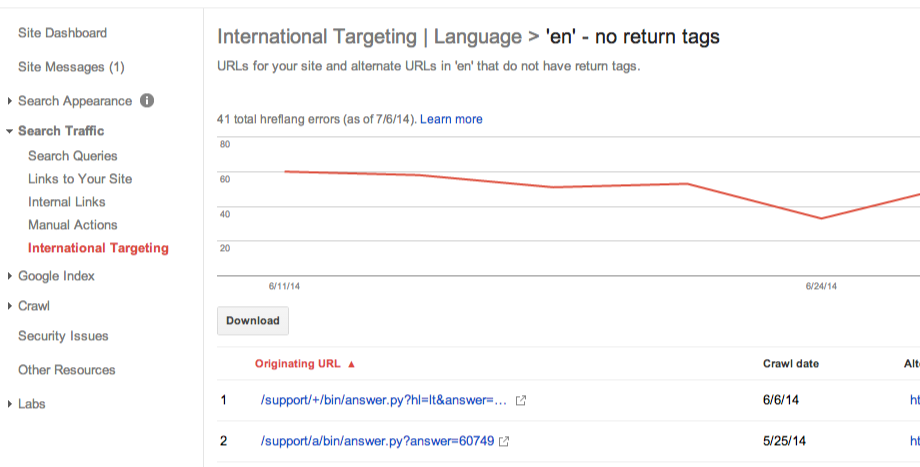
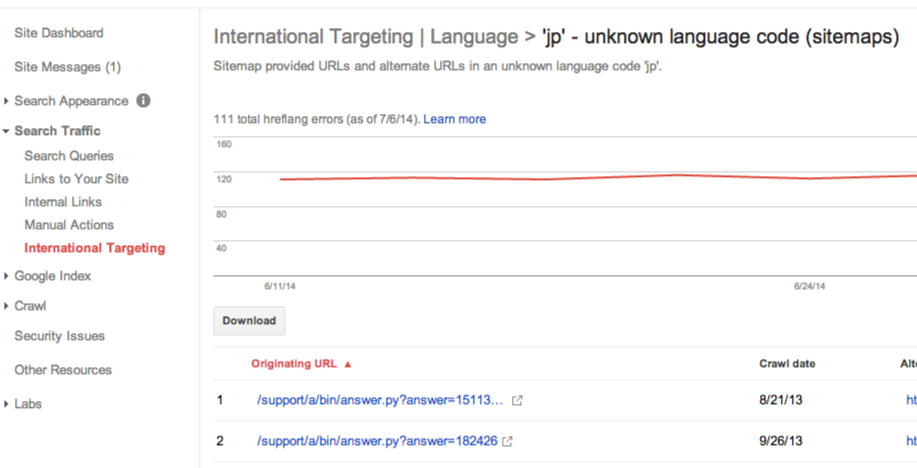
The Language Targeting section in the International Targeting in Google Webmaster Tools feature enables you to identify two of the most common issues with hreflang annotations:

  • Missing return links: annotations must be confirmed from the pages they are pointing to. If page A links to page B, page B must link back to page A, otherwise the annotations may not be interpreted correctly.
International Targeting
  • Incorrect hreflang values: The value of the hreflang attribute must either be a language code in ISO 639-1 format such as "es", or a combination of language and country code such as "es-AR", where the country code is in ISO 3166-1 Alpha 2 format.
Google Geographic Targeting

Google has also moved the geographic targeting setting to this part of Webmaster Tools, so that all information relevant to international and multilingual targeting can be found in the same place.

Google Webmaster Tools - Geographic Targeting

Robots.txt Launched In Google Webmaster Tools - To crawl, or not to crawl, that is the robots.txt question

The robots.txt file is the file which directly affects the crawling and indexing of the URLs on the site. It is the first file the bots like to read while crawling any site.Google WMT had a Block URLs section which showed the robots.txt file but now If Google isn't crawling a page , the robots.txt tester (Known as Blocked URLs earlier) , located under the Crawl section of Google Webmaster Tools, will let you test whether there's an issue in your file that's blocking Google.

robot.txt tester - Google webmaster tools

According to an update on http://googlewebmastercentral.blogspot.in/2014/07/testing-robotstxt-files-made-easier.html :

In the robots.txt testing tool in Webmaster Tools you'll see

  •  The current robots.txt tester, and can test new URLs to see whether they're being crawled or disallowed.
  • Guide your way through complicated directives, it will highlight the specific one that led to the final decision.
  • You can make changes in the file and test those too.
  • Be able to review older versions of your robots.txt file, and see when access issues block crawling. For example, if Googlebot sees a 500 server error for the robots.txt file, we'll generally pause further crawling of the website.
  • Since there may be some errors or warnings shown for your existing sites, we recommend double-checking their robots.txt files.
  • You can also combine it with other parts of Webmaster Tools: for example, you might use the updated Fetch as Google tool in WMT to render and submit important pages on your website.
  • If any blocked URLs are reported, you can use this robots.txt tester to find the directive that's blocking them, and, of course, then improve that.
  • A common problem we've seen comes from old robots.txt files that block CSS, JavaScript, or mobile content — fixing that is often trivial once you've seen it.

Why We Should Still Setup Authorship Markup Though Google Has Removed The Profile Photo From Search Results?

Last month John Mueller announced https://plus.google.com/+JohnMueller/posts/PDkPdPtjL6j that Google will be removing the profile photo and circle count from search results.

He posted on Google+ that:

We've been doing lots of work to clean up the visual design of our search results, in particular creating a better mobile experience and a more consistent design across devices. As a part of this, we're simplifying the way authorship is shown in mobile and desktop search results, removing the profile photo and circle count. (Our experiments indicate that click-through behavior on this new less-cluttered design is similar to the previous one.)

Does that mean that you should stop claiming authorship?

Some Of The Benefits Of Authorship Markup:

1. Authorship Markup establishes the identity of the author and correlates the content with that identity.

2. It builds trust as the reader has information about the author which is verified by the authorship markup process setup by Google.

3. It helps establish an authority and establishes thought leadership for the author online.

4. Helps combat plagiarism.'

Identity conceptual view

Identity conceptual view (Photo credit: Wikipedia)

According to Google http://www.google.com/insidesearch/features/authorship/ the benefits of claiming authorship and the method of linking your content are as follows:

Two simple steps:

1. Create a Google+ Profile

Remember to upload a high quality headshot and fill out some profile information such as hometown, etc.

2. Go to plus.google.com/authorship, sign up with your email and click on the verification link we send you.

If you don’t want to verify your email address, you can also link your content to your Google profile.
Why link your content?

Good for authors like you· New! See analytics for your content in search.

· Distinguish and validate your content in search results.

· Get more followers on Google+.

· Help readers discover your other content on the web.

Good for the web

· Help users find high quality content on the web.· Empower them to engage with content authors through Google+.

Why You Should Still Setup Authorship Markup Though Google Has Removed The Profile Photo And Circle Count From Search Results ?

LOLCat and My Identity Crisis

Identity Crisis (Photo credit: DBarefoot)

  • Google has just stopped displaying the head shot of the author in search results but the benefits and correlation of the authorship markup remains the same. Hence it still makes sense to continue claiming authorship.
  • I think Google just wants to play it safe and curb any spam related to the misuse of the authorship markup. They have burnt their fingers in the past with all the link spam which got rampant on the web due to the PageRank Technology. After the link building and other kinds of spam Google needs to update the algorithms for this kind of misuse of the Authorship Markup before it becomes difficult to handle and needs a major upgrade like the Panda or the Penguin update.
  • Authorship Markup is about correlating content with the author and giving the due credit to the author to establish his/her authority and thought leadership and not about displaying pics. of business owners and people who want to just get their headshots displayed in SERPs.This kind of misuse totally beats the purpose of the Authorship markup and has a potential of again polluting the SERPs more than ever.
  • The structured markup testing tool shows the detailed results about publisher markup and authorship markup . The only thing missing is the author pic. Hence all the reason to continue claiming authorship.

http://www.google.com/webmasters/tools/richsnippets?q=http://blog.webpro.in/2014/05/why-smb-market-for-web-presence.html

  • The Author stats. also continues to be displayed in WMT and Google is working on the Author Stats data under Labs so no one knows how this will be used by Google in future. Hence all the reason to continue claiming authorship.
Hence setup authorship and establish your identity in front of the reader and the search engine robots.

Why Is The SMB Market For Web Presence Services In India Promising ?

SMBs are slowly but steadily realizing the importance of web presence and want to forge ahead online arena with great enthusiasm and hope. But, there are some factors which make them delay the decision.

The Indian SMB market is second largest globally and the SMBs are clustered across all the Indian states giving the local web presence providers their share of the pie and helps maintain healthy competition.

Countries with Largest SMBs

SMBs contribute significantly to the economy:

SMBs contribute significantly to the economy:

Many SMBs have a web presence on industry portals and want to extend this by having their own website and social media presence. But the main reasons stopping them is the cost and the lack of technical knowledge in-house for managing and maintaining the website.

According to a Survey in 2013 there were 40 million SMBs and only 1 million websites which surely shows the immense business potential available.

According to a White Paper in 2013 by https://www.verisigninc.com/ the methods of online presence by country is as follows:

Methods Of Online Presence By country

As India experiences a rapid adoption of internet in all areas of business and everyday transactions, the number of small business owners taking to an online presence is also growing. Riding on this growth wave is GoDaddy, one of the world’s largest web hosting and domain name registration providers, with its new marketing campaign starring Bollywood dancing icon Mithun Chakraborty. The campaign made of two films has Mithun explaining small business owners how creating a website can bring them more customers.

Google too had already focused the Indian SMB market in 2013 by announcing its plans to get 50,000 Small and Medium Businesses in Gujarat to have an online presence by 2014. This initiative was a part of its new national campaign "India, get your business online" that offers free websites and hosting to small and medium businesses in India. As part of the initiative, SMBs could also get to have a presence on Google Maps and garner technical support from 200-plus Google-trained agency partners in Gujarat for hosting the website.

"Small and medium enterprises are a key driver for economic growth in India, but very few businesses have been able to utilise the benefits of the Internet. Gujarat houses the largest number of SMEs in the country.

The Indian web presence market was also an area of growth, increasing by a substantial 45 percent in 2012, reaching a market size of Rs. 2.7 billion (US$55 million) in 2013. However, overall use of websites is still low, even when compared to other developing countries, indicating strong continued opportunity in web presence and web applications over the next several years. Parallels expects the growth in web presence and web applications to remain high over the next several years, with the Indian SMB web presence market growing by at least 36 percent year-over-year, reaching Rs. 6.8 billion (US$137million) in 2016

According to a study by http://zinnov.com/

  • India's domestic IT spend to reach USD 36 billion by 2015, growing at a CAGR of 12%
  • IT adoption in SMB segment is growing at 15% and expected to reach USD 15 billion by 2015
  • Domestic spend on IT currently stands at USD 24bn
  • 20% of the total 50 million SMBs in India are technology ready today.

We have been offering web presence services since 2000 and have seen the bubble burst as well as also seen the increasing demand for web solutions in the recent past.

But the major reasons according to us that are stopping the SMBs to go ahead confidently on the web are :

  1. Many think that the cost is too high.
  2. If they get a website developed they think it is enough and stop there and do not invest in online marketing or SEO.
  3. They lack technical expertise in-house so they shy away from integrating eCommerce or online payments on the website.
  4. They have burnt their fingers in the past and it becomes difficult for them to invest more for online presence.
  5. The ROI from online presence accrues over a period of time and needs a plan and a strategy to reap dividends but the expectations of quick returns many time dampens their spirits and they lose patience and interest in maintaining the search presence.

Will This Be The Biggest Google Algorithm Update Of The Year 2014?

If you are facing a turbulence in the rankings of many keywords then read the following information.

Chris Hooley drinkbaiting Matt Cutts
Chris Hooley drinkbaiting Matt Cutts (Photo credit: Wikipedia)
  • Google is rolling out our Panda 4.0 update starting today.

Google is rolling out our Panda 4.0 update starting today.— Matt Cutts (@mattcutts) May 20, 2014

  • Dan Petrovic also mentioned on his blog:

Coming Up: The Biggest Google Update of the Year?

Here are the previous confirmed Panda updates, note, that we named them by each refresh and update, but 4.0 is how Google named this specific update:

  1. Panda Update 1, Feb. 24, 2011 (11.8% of queries; announced; English in US only)
  2. Panda Update 2, April 11, 2011 (2% of queries; announced; rolled out in English internationally)
  3. Panda Update 3, May 10, 2011 (no change given; confirmed, not announced)
  4. Panda Update 4, June 16, 2011 (no change given; confirmed, not announced)
  5. Panda Update 5, July 23, 2011 (no change given; confirmed, not announced)
  6. Panda Update 6, Aug. 12, 2011 (6-9% of queries in many non-English languages; announced)
  7. Panda Update 7, Sept. 28, 2011 (no change given; confirmed, not announced)
  8. Panda Update 8, Oct. 19, 2011 (about 2% of queries; belatedly confirmed)
  9. Panda Update 9, Nov. 18, 2011: (less than 1% of queries; announced)
  10. Panda Update 10, Jan. 18, 2012 (no change given; confirmed, not announced)
  11. Panda Update 11, Feb. 27, 2012 (no change given; announced)
  12. Panda Update 12, March 23, 2012 (about 1.6% of queries impacted; announced)
  13. Panda Update 13, April 19, 2012 (no change given; belatedly revealed)
  14. Panda Update 14, April 27, 2012: (no change given; confirmed; first update within days of another)
  15. Panda Update 15, June 9, 2012: (1% of queries; belatedly announced)
  16. Panda Update 16, June 25, 2012: (about 1% of queries; announced)
  17. Panda Update 17, July 24, 2012:(about 1% of queries; announced)
  18. Panda Update 18, Aug. 20, 2012: (about 1% of queries; belatedly announced)
  19. Panda Update 19, Sept. 18, 2012: (less than 0.7% of queries; announced)
  20. Panda Update 20 , Sept. 27, 2012 (2.4% English queries, impacted, belatedly announced
  21. Panda Update 21, Nov. 5, 2012 (1.1% of English-language queries in US; 0.4% worldwide; confirmed, not announced)
  22. Panda Update 22, Nov. 21, 2012 (0.8% of English queries were affected; confirmed, not announced)
  23. Panda Update 23, Dec. 21, 2012 (1.3% of English queries were affected; confirmed, announced)
  24. Panda Update 24, Jan. 22, 2013 (1.2% of English queries were affected; confirmed, announced)
  25. Panda Update 25, March 15, 2013 (confirmed as coming; not confirmed as having happened)

Even the tracking tools are all over the place MozCast, SERPS.com shows major activity on Saturday, so does SERP Metrics and Algoroo.


We all know that the Panda Update targets sites with low quality content and prevents them to sneak their way to get a good search presence and algorithm updates are nothing new. In fact they are the much needed boost for genuine SEOs as with every update true SEO campaigns get a push forward and spam gets a beating. Looking forward to track and monitor search results in the coming weeks.

SEO Friendly Redirects v/s Sneaky Redirects Guidelines

Webmasters use ‘Redirects’ when they want to forward visitors from one page to another on the same site or from one domain to another domain.

Search engines have been wary of such redirects because, though redirects are a normal part of how the web operates, and are very valuable when well used but can mislead the search engines and if sneaky may result in spam on the web.

Google guidelines support the ethical and correct use of such redirects but Google may respond negatively to misleading and manipulative practices of such a facility.

SEO Friendly Redirects v/s Sneaky Redirects Guidelines

Basic Google Quality Guidelines Are As Follows:

  • Make pages primarily for users, not for search engines.
  • Don't deceive your users.
  • Avoid tricks intended to improve search engine rankings. A good rule of thumb is whether you'd feel comfortable explaining what you've done to a website that competes with you, or to a Google employee. Another useful test is to ask, "Does this help my users? Would I do this if search engines didn't exist?"
  • Think about what makes your website unique, valuable, or engaging. Make your website stand out from others in your field.

There are many good reasons to redirect one URL to another, such as when moving your site to a new address, or consolidating several pages into one. However, some redirects deceive search engines or display content to human users that is different than that made available to crawlers.

Redirects are particularly useful and considered as ethical by search engines in the following circumstances:

  • You've moved your site to a new domain, and you want to make the transition as seamless as possible.
  • People access your site through several different URLs. If, for example, your home page can be reached in multiple ways - for instance, http://example.com/home, http://home.example.com, or http://www.example.com - it's a good idea to pick one of those URLs as your preferred (canonical) destination, and use 301 redirects to send traffic from the other URLs to your preferred URL.
  • You're merging two websites and want to make sure that links to outdated URLs are redirected to the correct pages.

The Redirect can be determined as a correct one or a sneaky one depending on the intention of its redirection.

Some examples of sneaky redirects include:

  • Search engines shown one type of content while users are redirected to something significantly different.
  • Desktop users receive a normal page, while mobile users are redirected to a completely different spam domain.

Types of Redirects:

  • 301, "Moved Permanently"—SEO Friendly
  • 302,  "Moved Temporarily"
  • Meta Refresh
  • JavaScript Redirect
  • URL Redirection Service

301 Moved Permanently

The 301 redirect is a permanent redirection. It indicates that the resource has moved permanently and people should update their information for this URL. A 301 redirect passes between 90-99% of link juice (ranking power) to the redirected page. 301 refers to the HTTP status code for this type of redirect. In most instances, the 301 redirect is the best method for implementing redirects on a website.

302 Moved Temporarily

A 302 redirect is a temporary redirect. It passes 0% of link juice (ranking power) and, in most cases, should not be used.

Meta Refresh

Meta refreshes are a type of redirect executed on the page level rather than the server level. They are usually slower, and not a recommended SEO technique. They are most commonly associated with a five-second countdown with the text "If you are not redirected in five seconds, click here."

JavaScript Redirects

JavaScript can cause a redirect by setting the window.location attribute, e.g.:

window.location='http://www.example.com/'

Normally JavaScript pushes the redirector site's URL to the browser's history. It can cause redirect loops when users hit the back button. With the following command you can prevent this type of behaviour.

window.location.replace('http://www.example.com/')

As per google Using JavaScript to redirect users can be a legitimate practice. For example, if you redirect users to an internal page once they’re logged in, you can use JavaScript to do so. When examining JavaScript or other redirect methods to ensure your site adheres to our guidelines, consider the intent. Keep in mind that 301 redirects are best when moving your site, but you could use a JavaScript redirect for this purpose if you don’t have access to your website’s server.

URL Redirection Services

A redirect service is an information management system, which provides an internet link that redirects users to the desired content. The typical benefit to the user is the use of a memorable domain name, and a reduction in the length of the URL or web address. A redirecting link can also be used as a permanent address for content that frequently changes hosts, similarly to the Domain Name System.

At times a hacking attack can result to sneaky redirects. Hackers might inject malicious code to your website that redirects some users to harmful or spammy pages. The kind of redirect sometimes depends on referrer, user-agent, or device. For example, clicking a URL in Google search results could redirect you to a suspicious page, but there is no redirect when you visit the same URL directly from a browser.

If your site has been hacked or infected with malware, you should act quickly to repair the damage. Google recommends reviewing the recommendations provided by the organization antiphishing.org.

Google recently updated the guidelines for sneaky redirect: Webmaster Guidelines for sneaky redirects updated

Matt Cutts Answers... How can small sites become popular?

Matt Cutts answers a question which bothers all the SMEs and Ecommerce website owners who start small and have to first establish a brand before they can actually do flourishing business on the web.

He gives the examples of Facebook, Instagram and MySpace which all started small but because of their agility and new ideas made it big. Any site though small initially has a potential of making it big online if you focus on user experience, if the site offers something that returns more value and the content offers quality, in-depth and insightful information.

He mentions that whatever area you are in if you are doing it better that the others then over a period of time you can expect your site to do better and better.

However if you are a 'one person' website versus a 200 person website then of course it will make a difference but again if you focus on quality content and user experience by narrowing down to your niche area first then gradually you can earn a good search presence by building it over a period of time which may help you compete with the so called bigger sites.

editorial-policy-WebPro-Technologies-LLP-Ahmedabad

Editorial Policy: Human Expertise, Enhanced by AI

At WebPro Technologies, our content reflects over two decades of experience in SEO and digital strategy. We believe that valuable content is built on accuracy, clarity, and insight—and that requires human judgment at every step.

From 2024 onwards, we have been using AI tools selectively to brainstorm ideas, explore perspectives, and refine language, but AI is never the final author. Every article is researched, fact-checked, and edited by our team, ensuring relevance, accuracy, and originality. AI supports our workflow, but the responsibility for quality and credibility remains entirely human.

This hybrid approach allows us to combine the efficiency of technology with the depth of human expertise, so our readers get content that is both informative and trustworthy.

At WebPro, we see AI not as a replacement for human creativity, but as a tool that helps us raise the standard of excellence in the content we share.

SEO Ahmedabad

Contact Info

802, Astron Tech Park, Satellite Road, Opp. Gulmohar Park Mall, Ahmedabad 380015, India

+91 9825025904
info@webpro.in

Daily: 9:00 am - 6:00 pm
Sunday: Closed

Copyright 2025 WebPro Technologies LLP ©  All Rights Reserved